INTRODUCTION
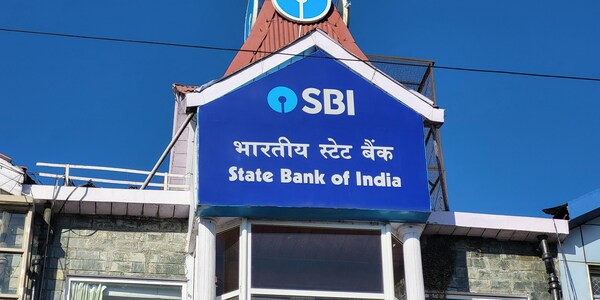
State Bank of India (SBI) is India’s largest and most influential public sector bank. With a legacy of over 200 years, SBI plays a crucial role in India’s banking, credit, and financial inclusion ecosystem.
COMPANY OVERVIEW
| Particulars | Details |
| Company Name | State Bank of India |
| Founded | 1806 |
| Headquarters | Mumbai, India |
| Sector | Banking & Financial Services |
| Industry | Public Sector Bank |
| NSE Symbol | SBIN |
| BSE Code | 500112 |
| Market Position | Largest bank in India |
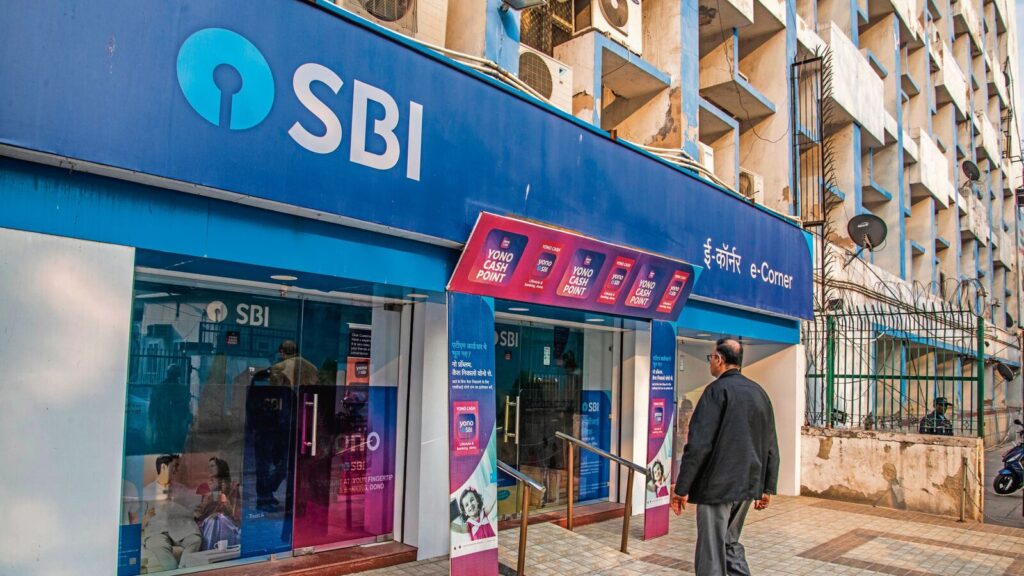
SBI serves over 45 crore customers through thousands of branches, ATMs, and digital platforms across India and overseas.
BUSINESS MODEL – HOW SBI MAKES MONEY
SBI earns revenue primarily through the following streams:
1. Interest Income
• Loans (Retail, Corporate, MSME, Agriculture)
• Home loans, personal loans, auto loans
• Corporate & infrastructure financing
2. Fee-Based Income
• Account maintenance charges
• Debit and credit cards
• Wealth management & insurance distribution
• Forex & remittance services
3. Treasury & Investments
• Government securities
• Bonds and trading income
State Bank Of India (SBI)
KEY SUBSIDIARIES OF SBI
| Subsidiary | Business |
| SBI Life Insurance | Life insurance |
| SBI General Insurance | Non-life insurance |
| SBI Mutual Fund | Asset management |
| SBI Cards | Credit cards |
| SBI Capital Markets | Investment banking |
These subsidiaries significantly enhance SBI’s non-interest income and overall valuation.
FINANCIAL PERFORMANCE SNAPSHOT
| Metric | Recent Trend |
| Revenue | Consistently growing |
| Net Profit | Strong multi-year growth |
| Net Interest Margin (NIM) | Improving |
| Gross NPA | Declining |
| Net NPA | Under control |
| CASA Ratio | Stable |
SBI has shown remarkable improvement in asset quality after years of banking reforms.
ASSET QUALITY & NPAs
One of the biggest concerns historically for SBI was Non-Performing Assets (NPAs).
Current situation:
• Gross NPA reduced significantly
• Net NPA at manageable levels
• Better recovery mechanisms through IBC, write-offs, and resolutions
This improvement has strengthened investor confidence.
CAPITAL ADEQUACY & BALANCE SHEET STRENGTH
• Strong capital adequacy ratio
• Regular capital raising via bonds
• Government backing adds stability
• Comfortable provision coverage ratio
SBI’s balance sheet is now one of the strongest among PSU banks.
DIGITAL BANKING & TECHNOLOGY EDGE
SBI is a leader in digital banking through:
• YONO App
• UPI & mobile banking
• AI-based customer services
• Digital loan disbursement
Digital initiatives reduce costs and improve operational efficiency.
DIVIDEND HISTORY & POLICY
| Particular | Status |
| Dividend Paying | Yes |
| Dividend Consistency | Moderate |
| Dividend Yield | Low to moderate |
| Payout Policy | Conservative |
SBI focuses more on growth and balance sheet strength than on high dividend payouts.
VALUATION ANALYSIS (SIMPLE)
| Valuation Metric | Observation |
| P/E Ratio | Lower than private banks |
| P/B Ratio | Attractive versus historical levels |
| ROE | Improving |
| ROA | Gradually rising |
SBI often trades at a discount to private banks, offering potential upside if performance sustains.
SBI VS PRIVATE BANKS (QUICK COMPARISON)
| Parameter | SBI | Large Private Banks |
| Market Reach | Very High | High |
| Government Support | Yes | No |
| Valuation | Lower | Higher |
| Risk Profile | Moderate | Moderate |
| Growth Rate | Stable | Slightly faster |
SWOT ANALYSIS
Strengths:
• Largest banking network in India
• Strong government backing
• Improved asset quality
• Dominant retail franchise
Weaknesses:
• PSU bureaucracy
• Slower decision-making compared to private banks
• Historically lower profitability ratios
Opportunities:
• Credit growth in India
• Infrastructure and capex cycle
• Digital banking expansion
• Cross-selling via subsidiaries
Threats:
• Rising competition from private banks and fintechs
• Interest rate volatility
• Regulatory pressures
BULL, BASE & BEAR CASE SCENARIOS
Bull Case:
• Sustained credit growth
• Stable NPAs
• Valuation re-rating
• Strong PSU banking cycle
Base Case:
• Moderate growth
• Stable margins
• Consistent profitability
Bear Case:
• Economic slowdown
• Rise in NPAs
• Margin pressure due to interest rate movements
IS SBI A GOOD LONG-TERM INVESTMENT?
SBI is suitable for:
• Long-term investors
• Value investors
• Investors seeking PSU exposure
• Those betting on India’s banking growth story
It may not suit short-term traders due to the cyclical nature of banking stocks.
RISKS INVESTORS SHOULD KNOW
• Government influence on policies
• Credit cycle downturns
• PSU-related operational inefficiencies
• Global economic shocks
KNOW About INFOSYS
FREQUENTLY ASKED QUESTIONS (FAQs)
1. Is SBI a safe stock to invest in?
Yes, SBI is considered relatively safe due to government backing and improved financials.
2. Does SBI give dividends?
Yes, SBI pays dividends, though the yield is moderate.
3. Is SBI better than private banks?
Both have advantages; SBI offers value while private banks provide faster growth.
4. Can SBI stock double in the future?
It is possible over the long term if earnings growth and valuation improve.
5. What affects SBI share price the most?
Interest rates, NPAs, credit growth, and government policies.
6. Is SBI good for beginners?
Yes, due to its size, stability, and transparent business model.
7. Is SBI a multibagger stock?
It can deliver steady long-term returns but should be viewed as a value compounder.
8. How does SBI perform in economic downturns?
SBI tends to remain stable due to government support but profitability may be impacted.
CONCLUSION
State Bank of India has transformed itself from a stressed PSU bank into a stable, profitable, and systemically important financial institution.
With improving asset quality, strong digital initiatives, and India’s long-term credit growth story, SBI remains a solid long-term bet for patient investors.